BRM P160 chassis #01 - 1971
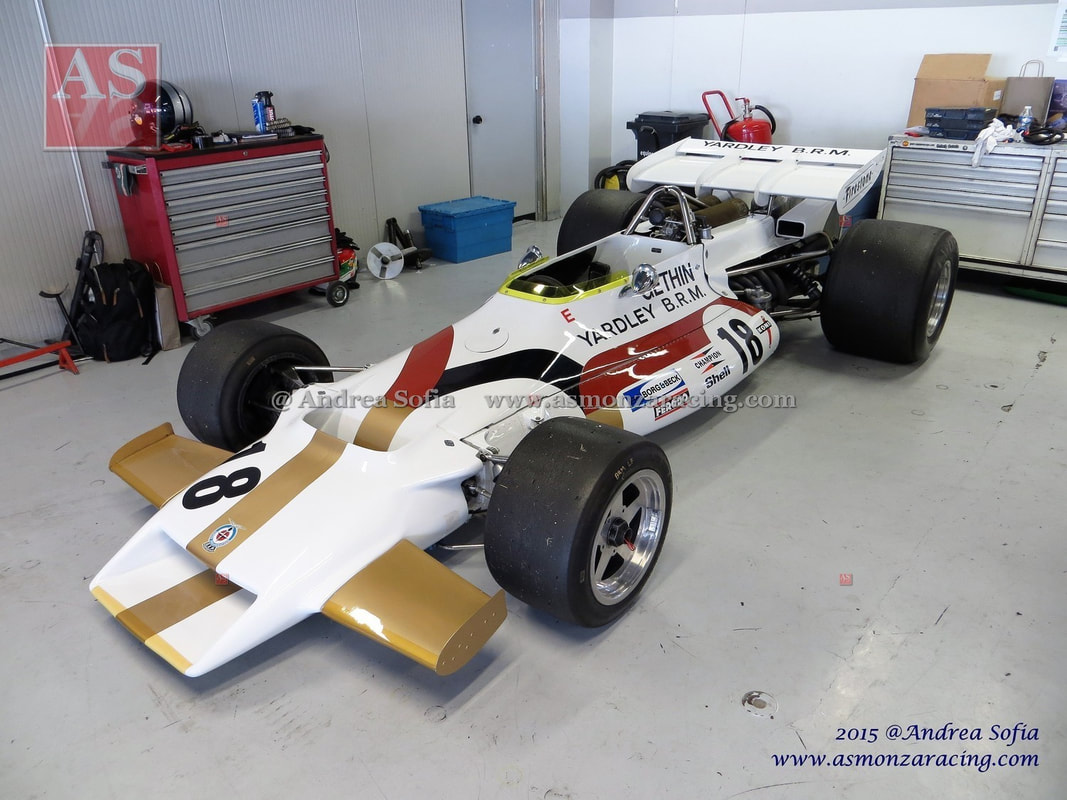
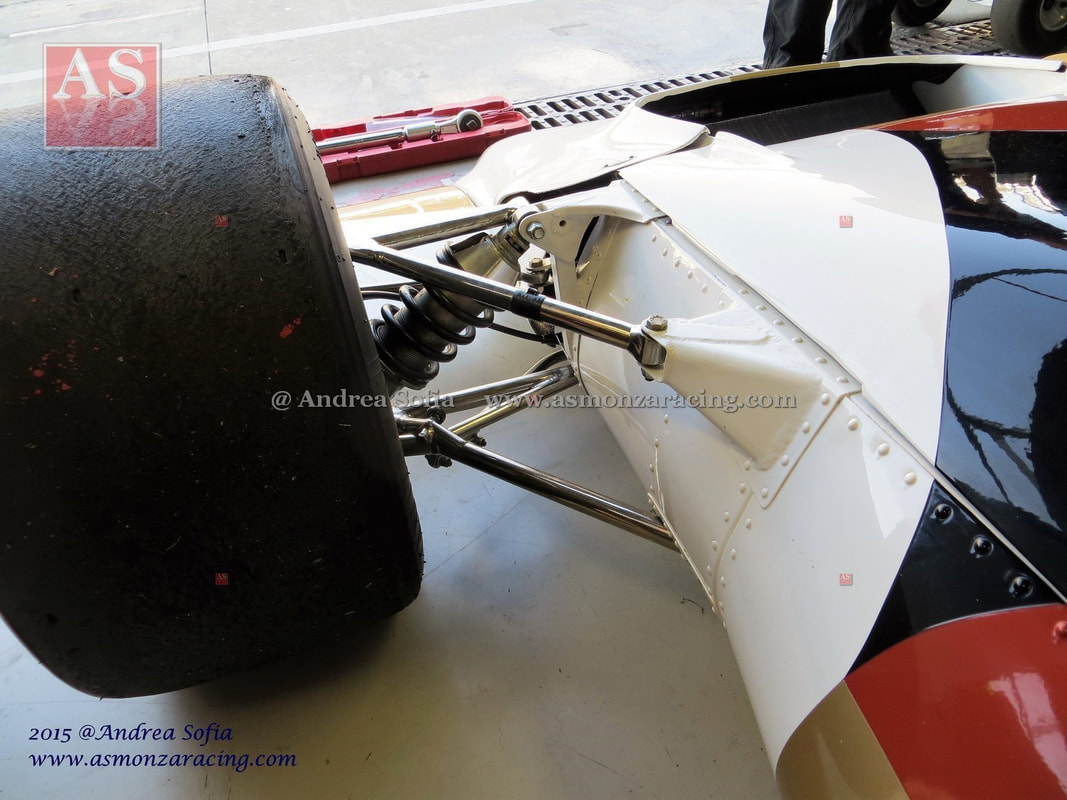
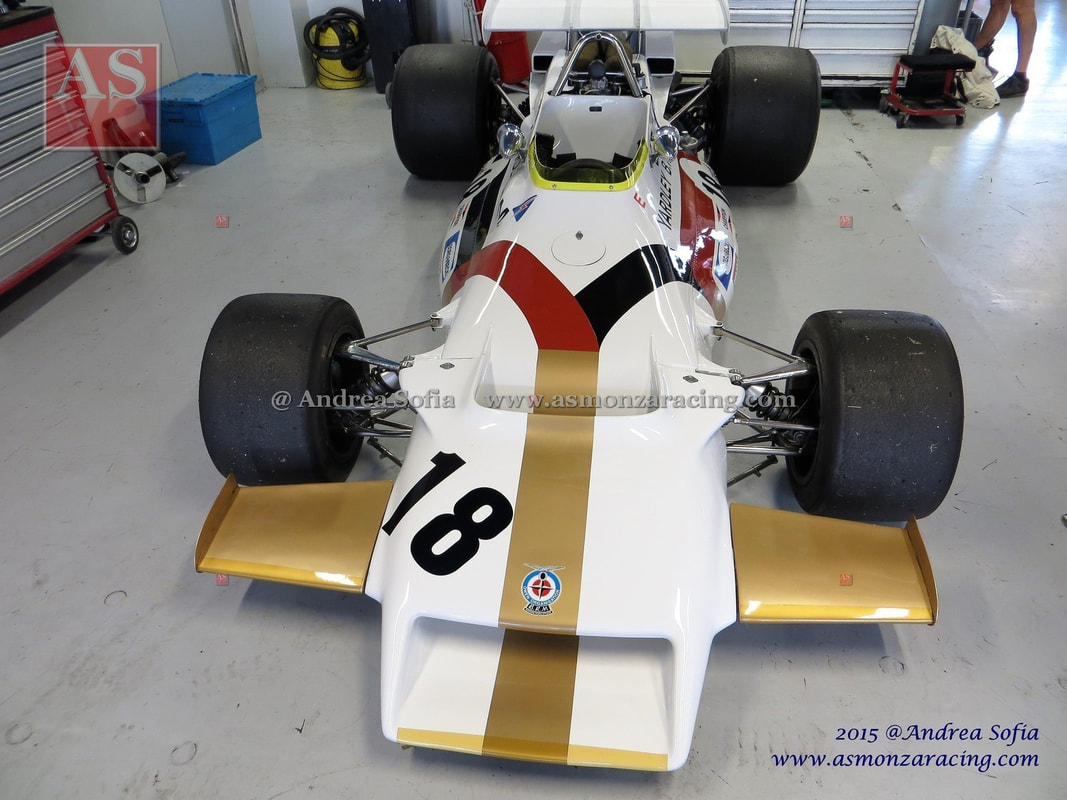
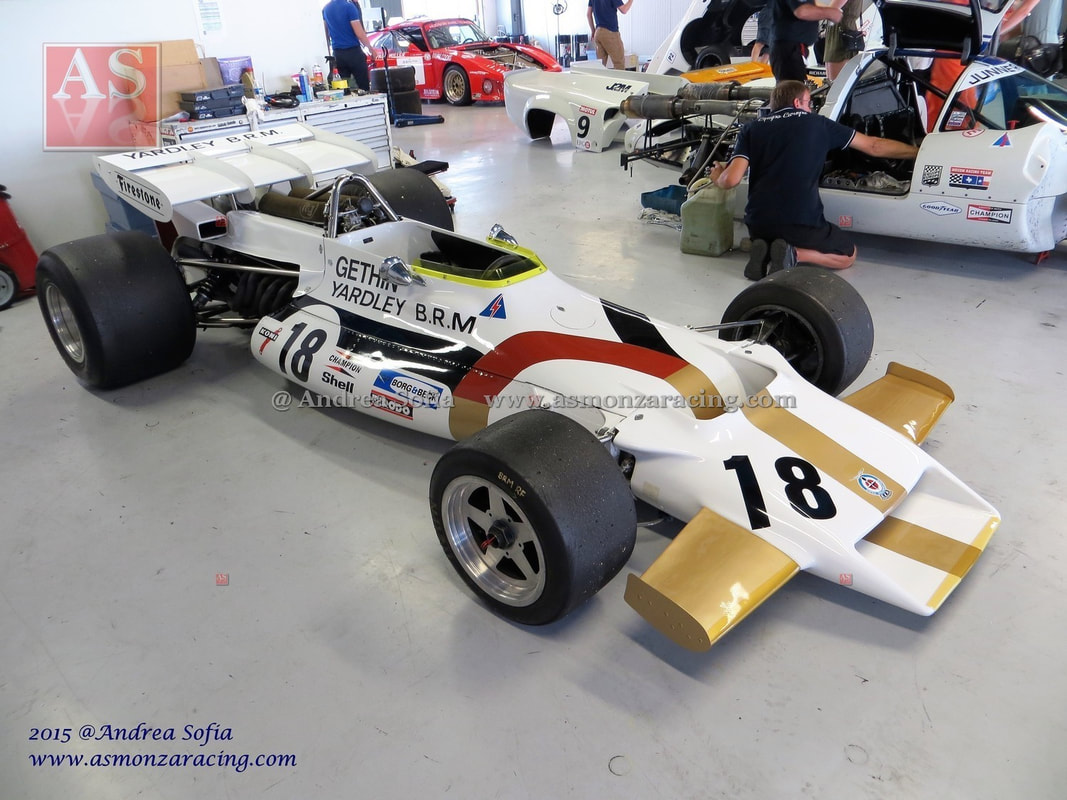
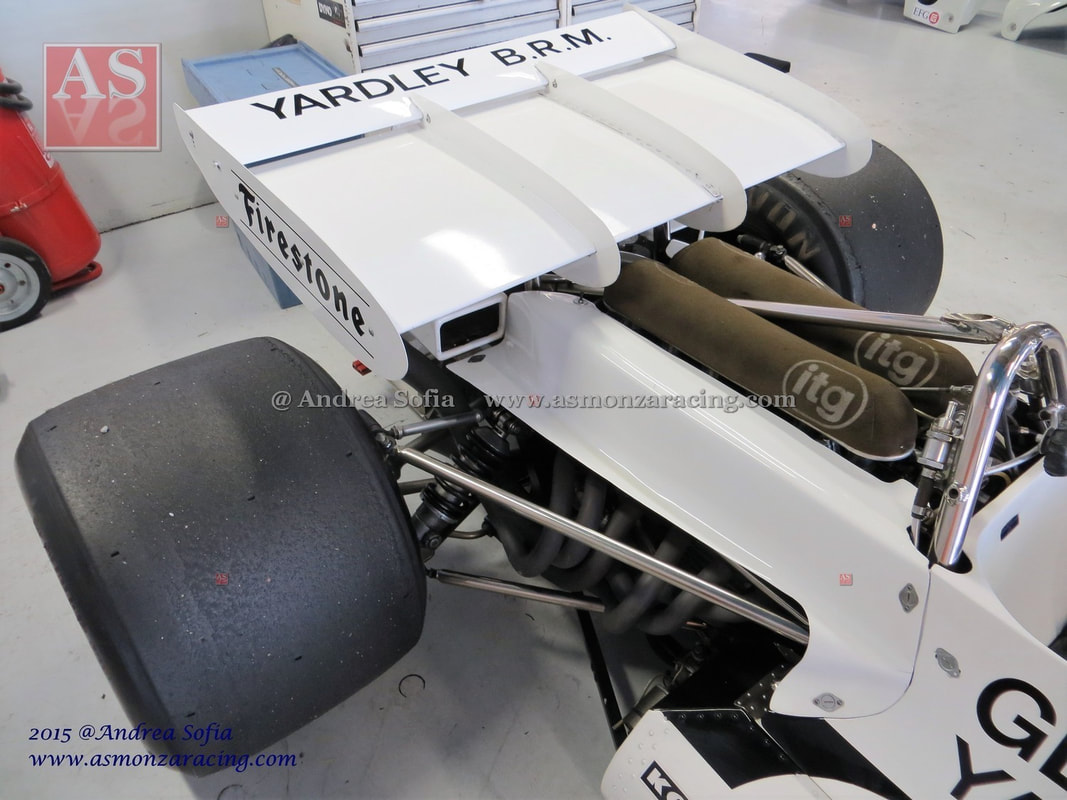
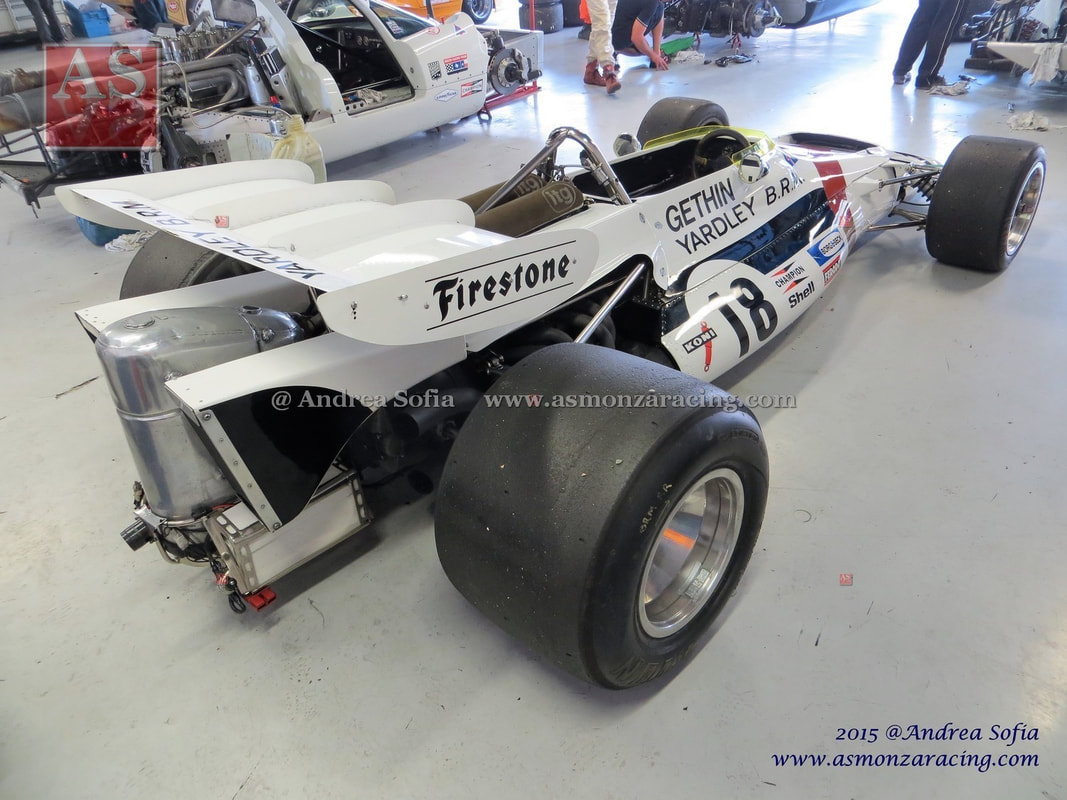
Historic Monza 2015 - BRM P160 chassis #01 1971

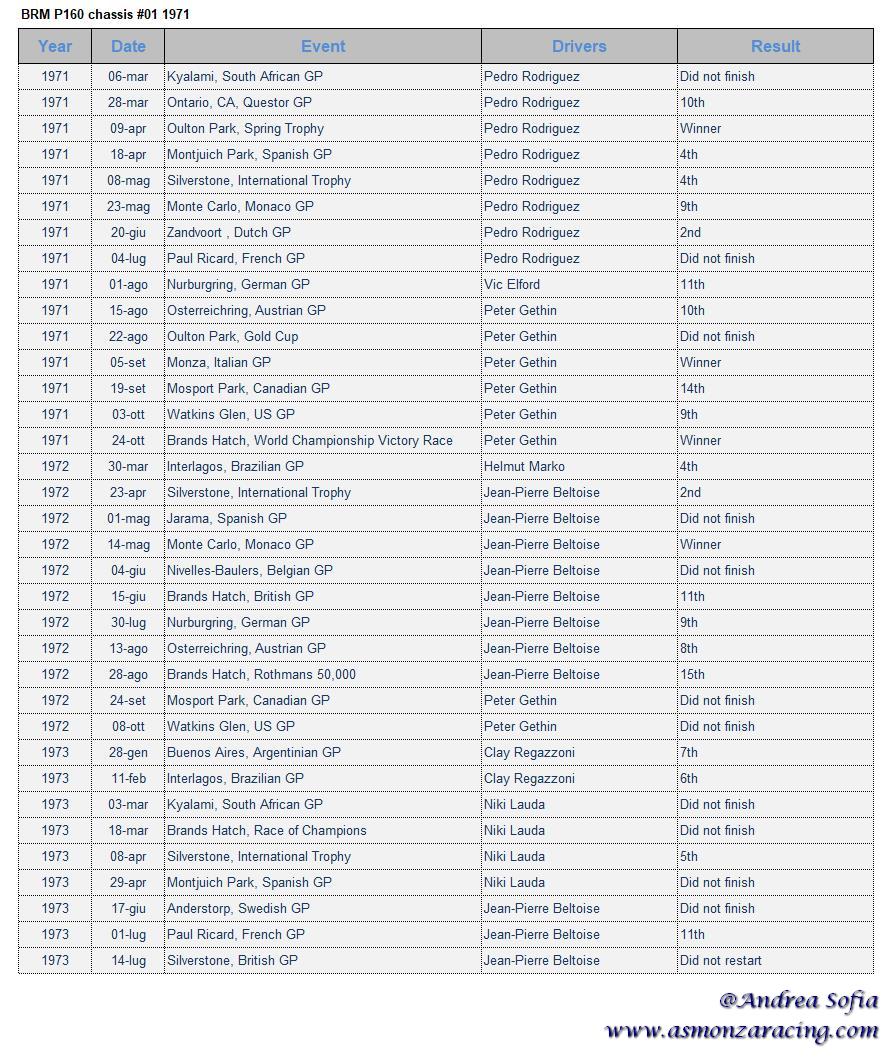
The first BRM P160 was built for the 1971 season and the chassis #01, was used by the team for three seasons. The designer Tony Southgate used the previous BRM P153 model as the basis for the new car. The new design was revised in the general lines of the frame, which became lower and in the geometry of the suspension. The BRM V12 engine was modified and improved by the engineer Aubrey Woods and could now reach a revs speed of 10,800 rpm. The BRM P160/01 was used in the first half of the 1971 season by Pedro Rodriguez and for the rest of the year by Peter Gethin, who was hired to replace Pedro Rodriguez who tragically passed away in Nuremberg during an Interserie race. Peter Gethin obtained a legendary victory at the Italian Grand Prix in Monza, in his second participation with the BRM P160/01. The victory at Monza in 1971 was achieved after an epic fight, in a race what for more than three decades, remained the fastest Grand Prix in history, at an average speed of 242,615 km/h. At the finish line, the gap between Gethin and Peterson, who was second, was only 0.01 seconds and the first 5 single-seaters at the finish, were contained in less than a second of gap. BRM ended the season with second place in the championship. In 1972 the P160/01 was assigned to Jean-Pierre Beltoise, who obtained the victory at the Monaco Grand Prix. This victory also represented the last in a Grand Prix for BRM. In 1973 the car, after being damaged at the British Grand Prix at Silverstone, was definitively withdrawn. The car was later found and rebuilt in its 1971 configuration, complete with its beautiful Yardley livery. In recent years it has been used by its subsequent owners and has been the protagonist of many events including the Goodwood Revival of 2010. For that special occasion, Peter Gethin met and drove the car that had given him success at the Italian Grand Prix in Monza in 1971.
|

La prima BRM P160, fu costruita per la stagione 1971 e il telaio 01, fu utilizzato dalla squadra per ben tre stagioni. Il progettista Tony Southgate, utilizzò il precedente modello BRM P153 come base per la nuova monoposto. Il nuovo progetto fu rivisto nelle linee generali del telaio, che diventò più basso e nella geometria delle sospensioni. Il motore BRM V12, fu modificato e migliorato dall'ingegnere Aubrey Woods ed ora poteva raggiungere un regime di rotazione di 10.800 giri/min. La BRM P160/01 fu utilizzata nella prima metà della stagione 1971, da Pedro Rodriguez e per il resto dell'anno da Peter Gethin, che fu ingaggiato per sostituire Pedro Rodriguez tragicamente scomparso a Norimberga durante una gara Interserie. Peter Gethin ottenne una leggendaria vittoria al Gran Premio d'Italia a Monza, alla sua seconda partecipazione con la BRM P160/01. La vittoria a Monza nel 1971 fu ottenuta dopo una lotta epica, in quello che per più di tre decenni rimase il più veloce Gran Premio della storia, a 242.615 km/h di media. All’arrivo, il distacco tra Gethin e Peterson, che fu secondo, fu solo di 0,01 secondi e le prime 5 monoposto al traguardo, erano racchiuse in meno di un secondo di distacco. La BRM chiuse la stagione con il secondo posto in campionato. Nel 1972 il telaio P160/01 fu assegnato Jean-Pierre Beltoise, che ottenne la vittoria al Gran Premio di Montecarlo. Questa vittoria rappresentò anche l’ultima vittoria in un Gran Premio per la BRM. Nel 1973 la vettura, dopo essere rimasta danneggiata al Gran Premio d’Inghilterra a Silverstone, fu definitivamente ritirata. In seguito la vettura fu ritrovata e ricostruita nella sua configurazione del 1971, completa della sua bella livrea Yardley. Negli ultimi anni e stata utilizzata dai suoi successivi proprietari ed e stata protagonista di tanti eventi tra i quali il Goodwood Revival del 2010. Per quella speciale occasione, Peter Gethin ritrovo e guidò la vettura che gli aveva regalato il successo al Gran Premio d'Italia a Monza del 1971.
|
Photo gallery: Coppa Intereuropa, Monza 2004-2005

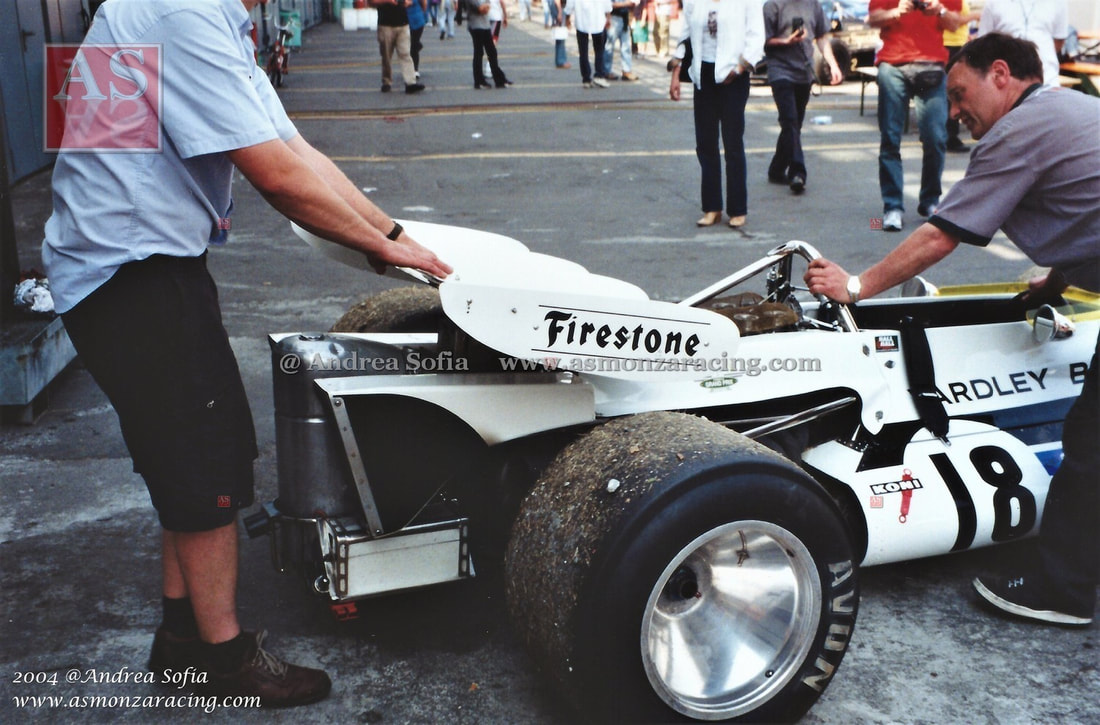
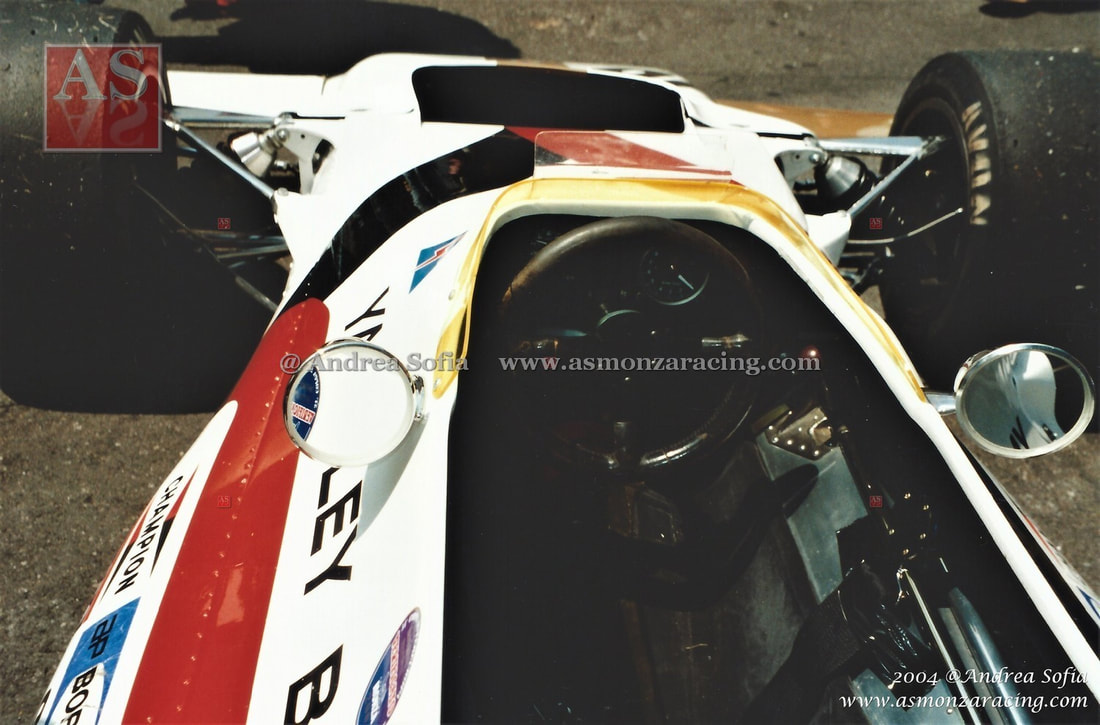
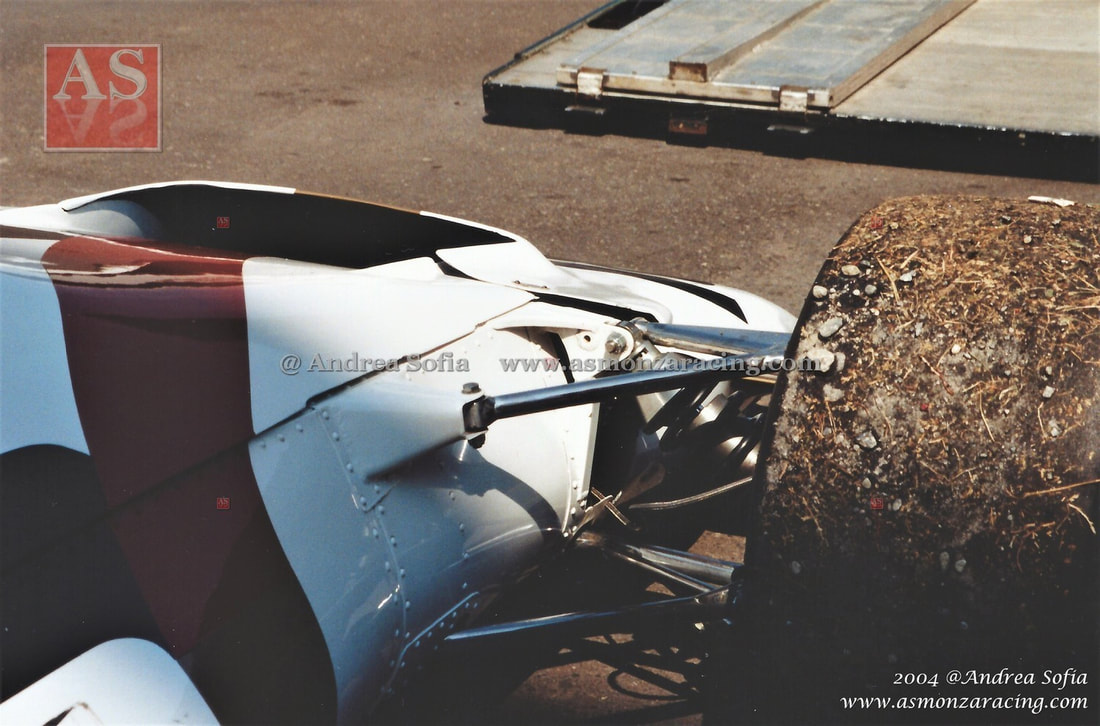
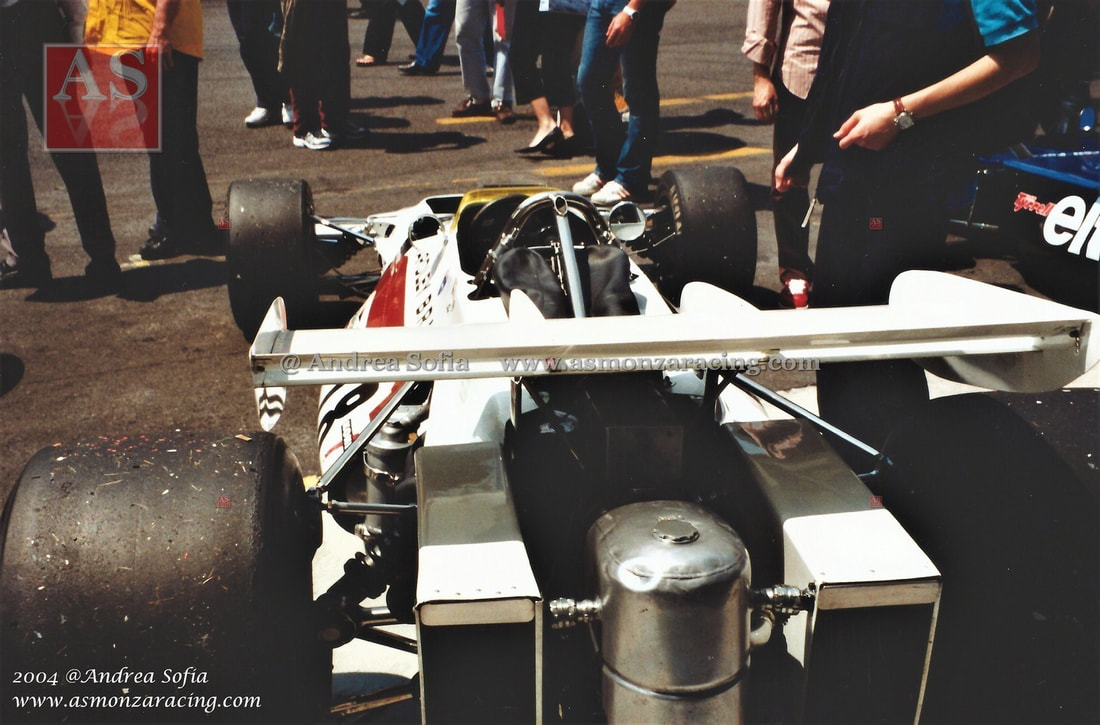
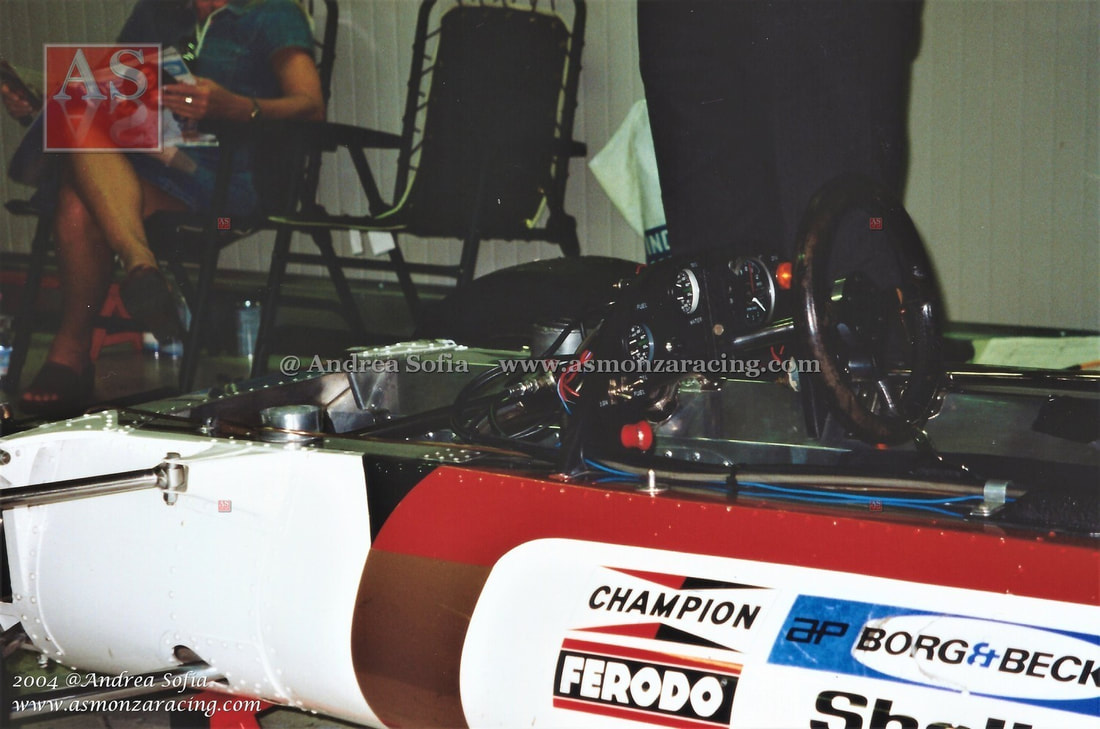
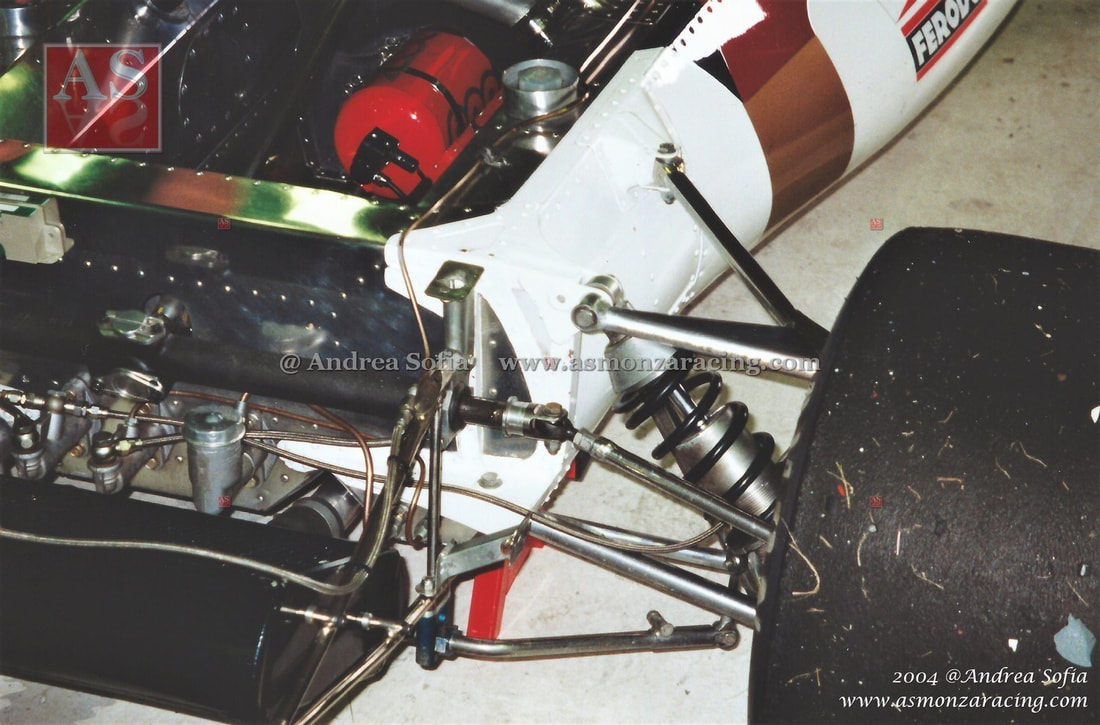
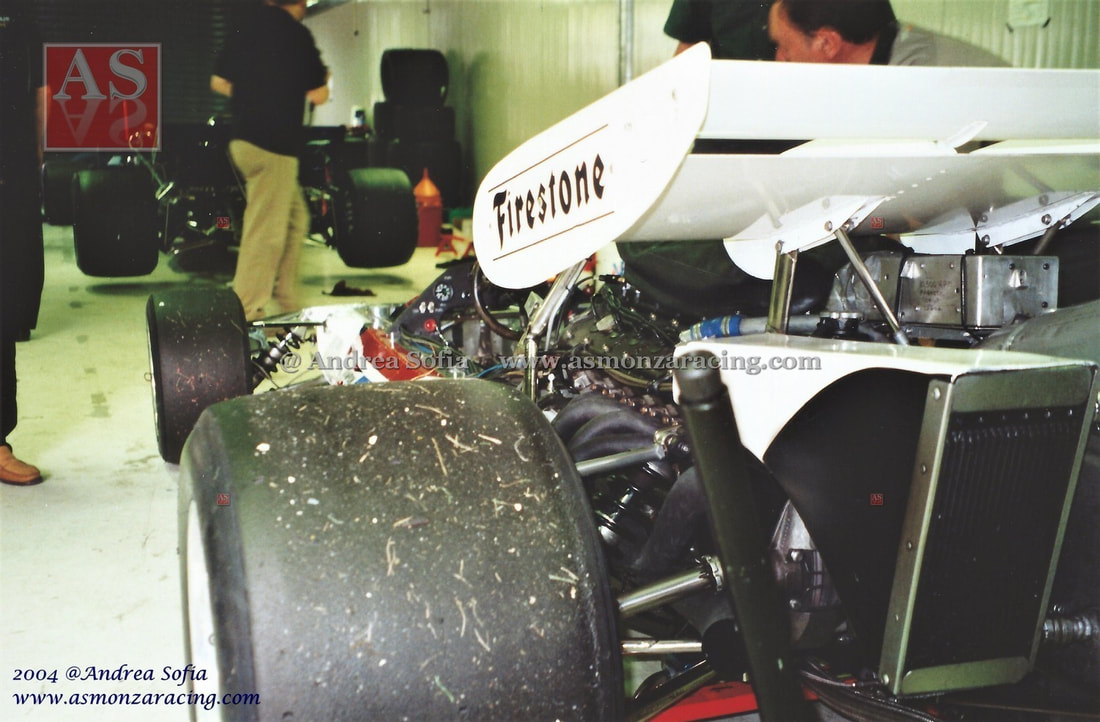

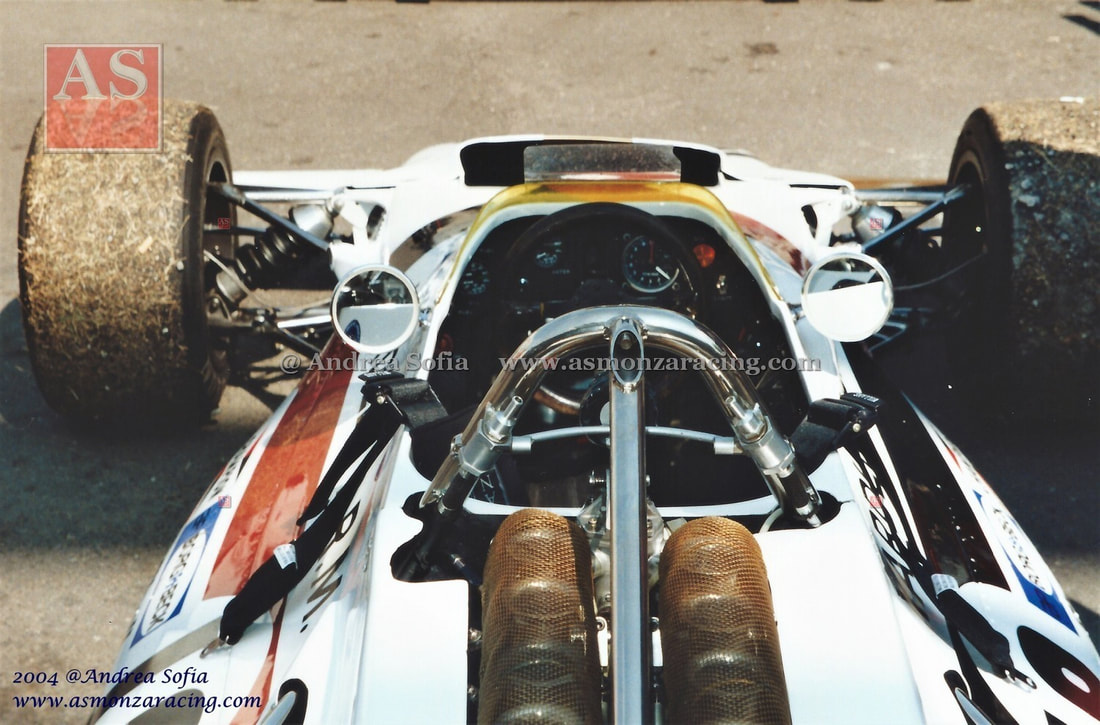
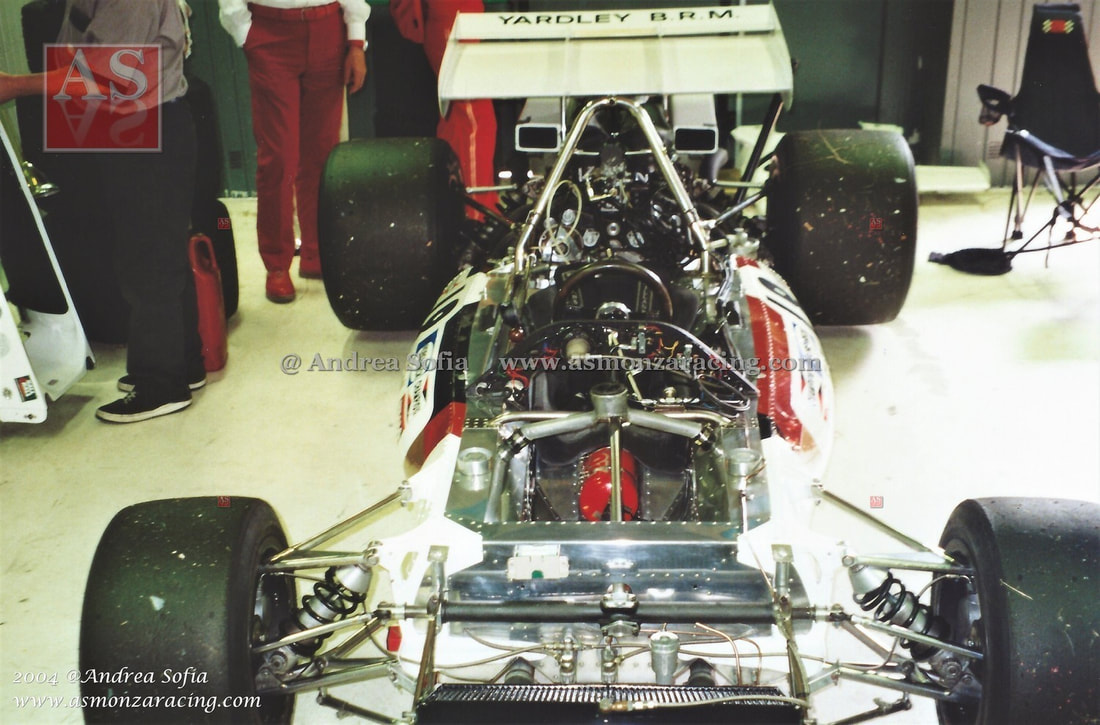
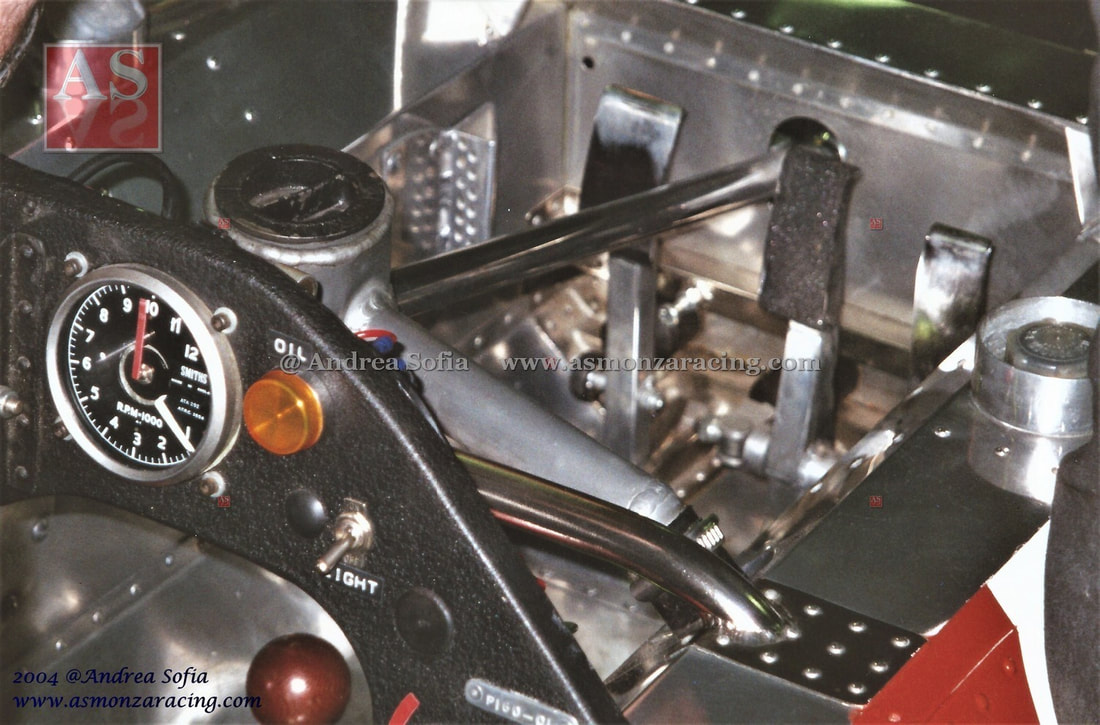
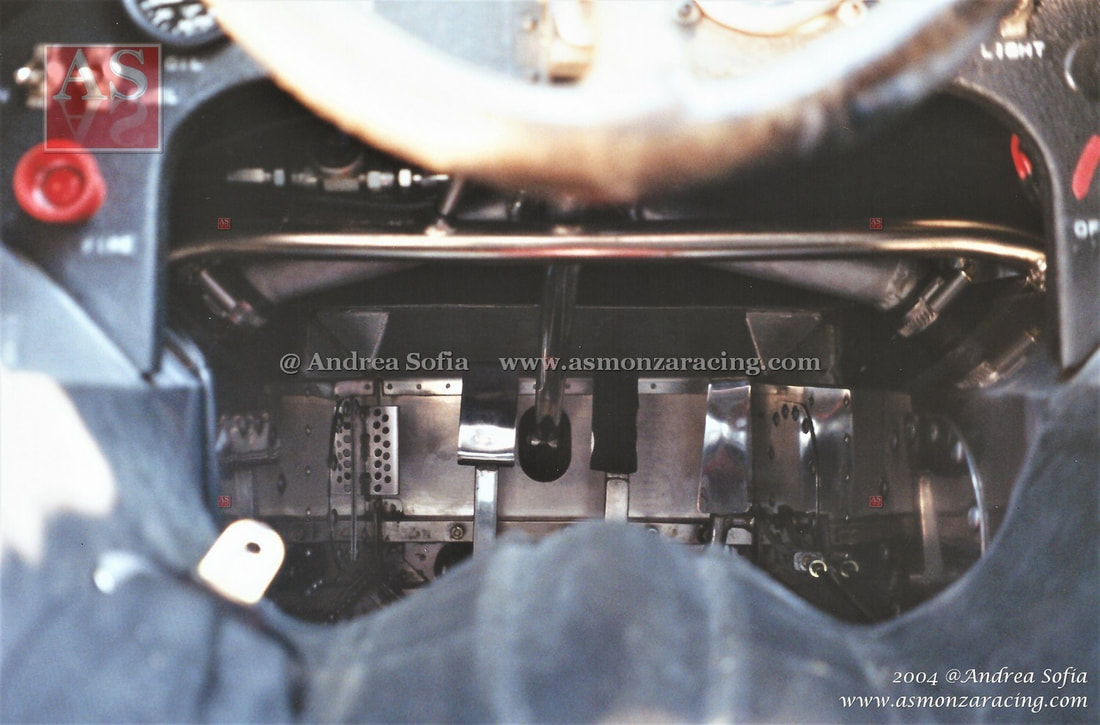
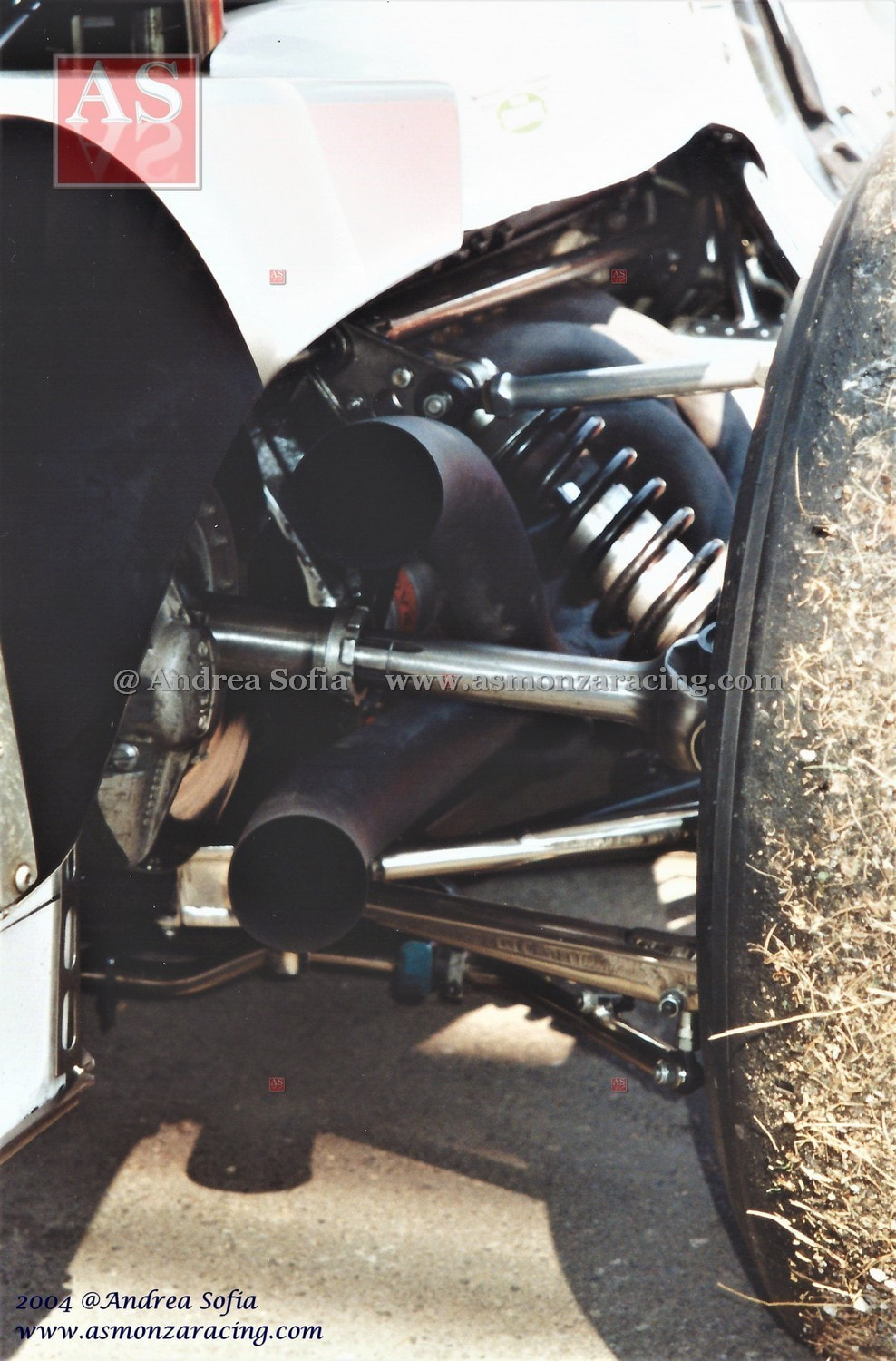


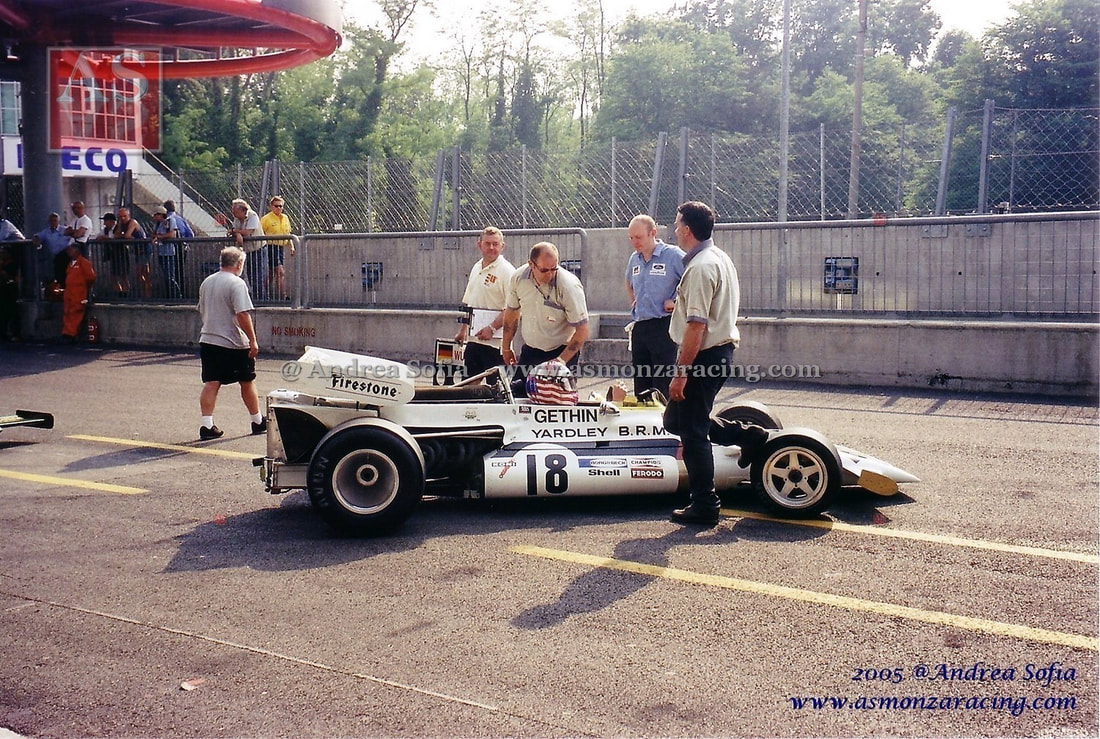
Photo gallery: Monza Historic, 2015
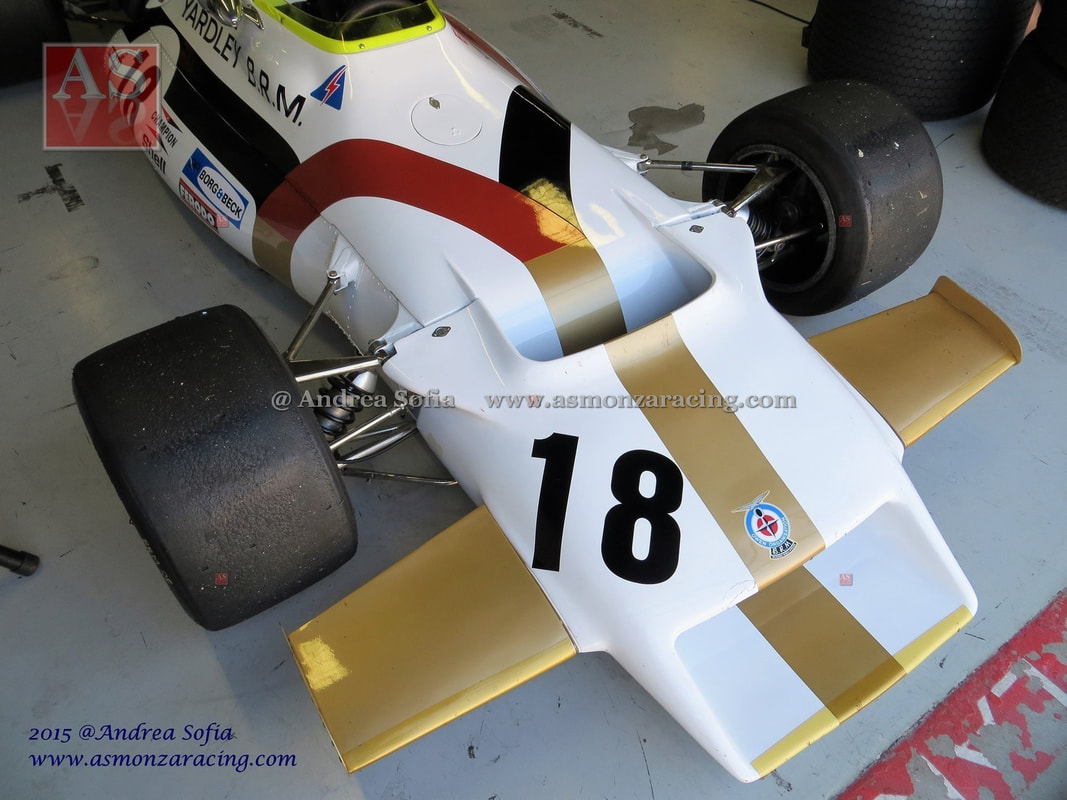
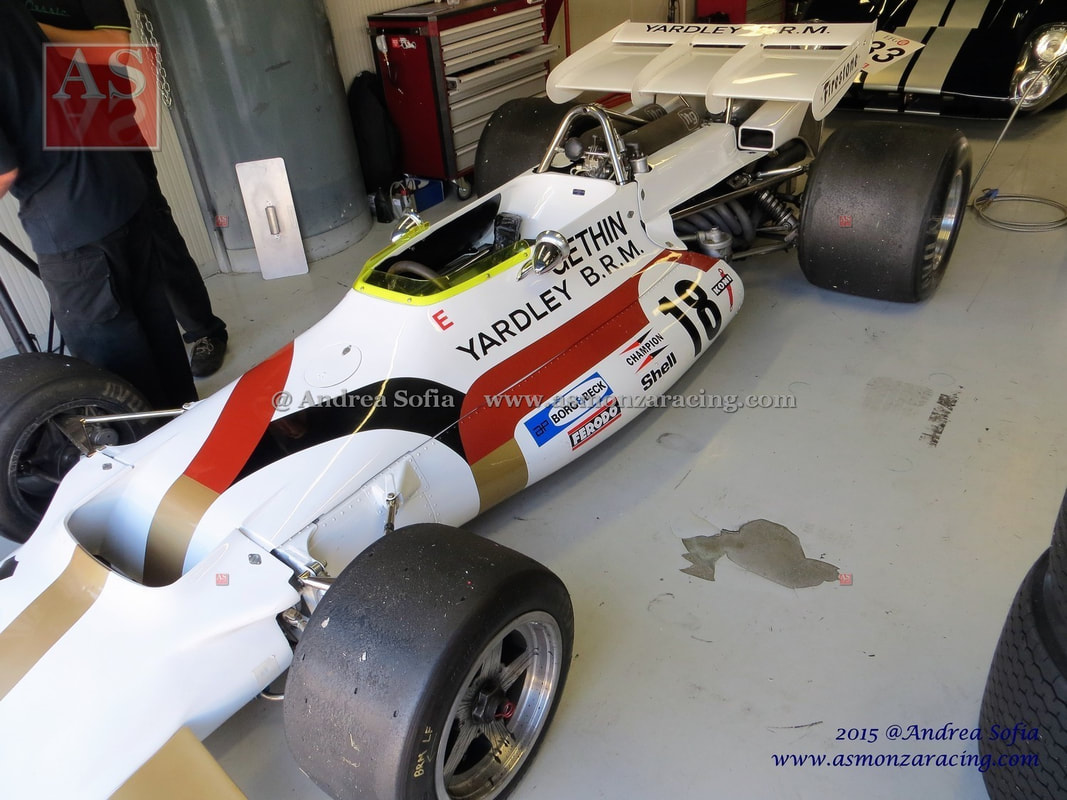
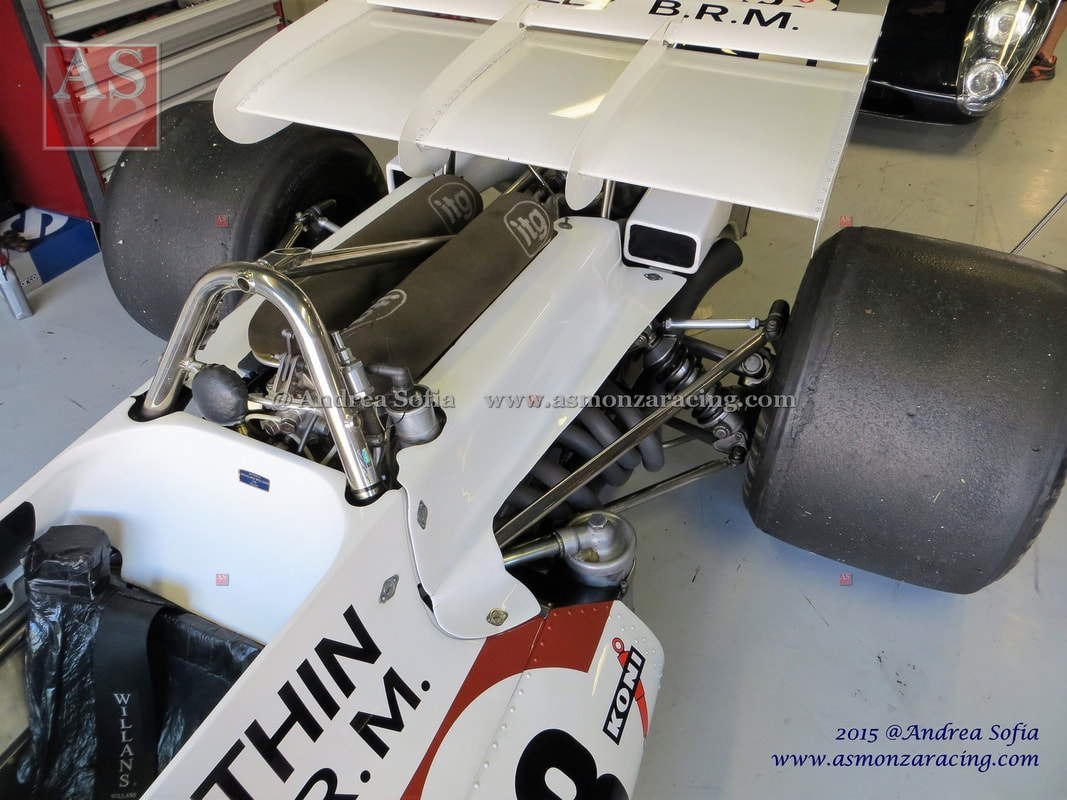
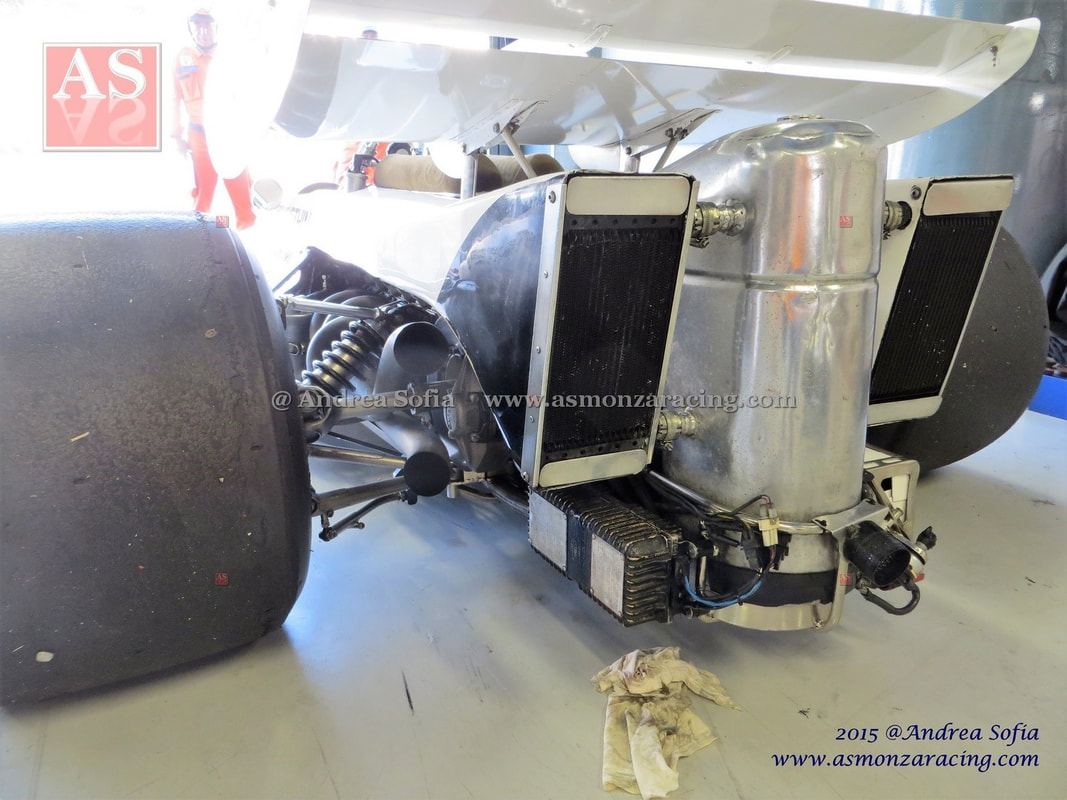
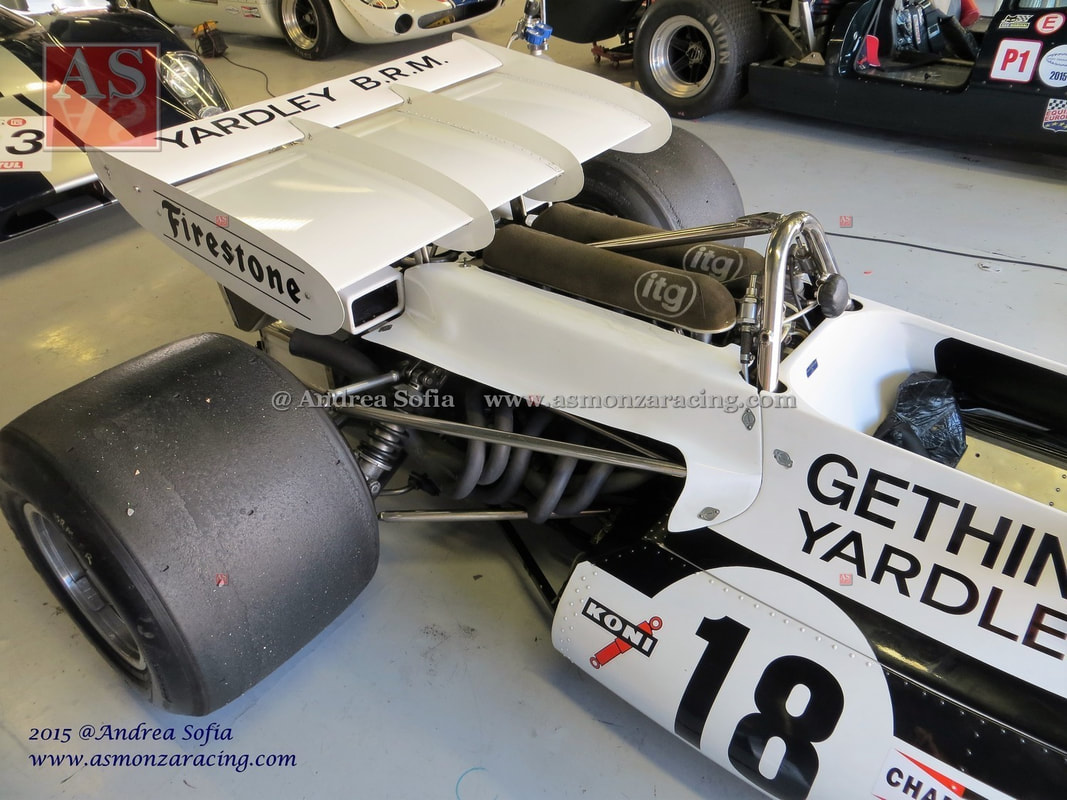

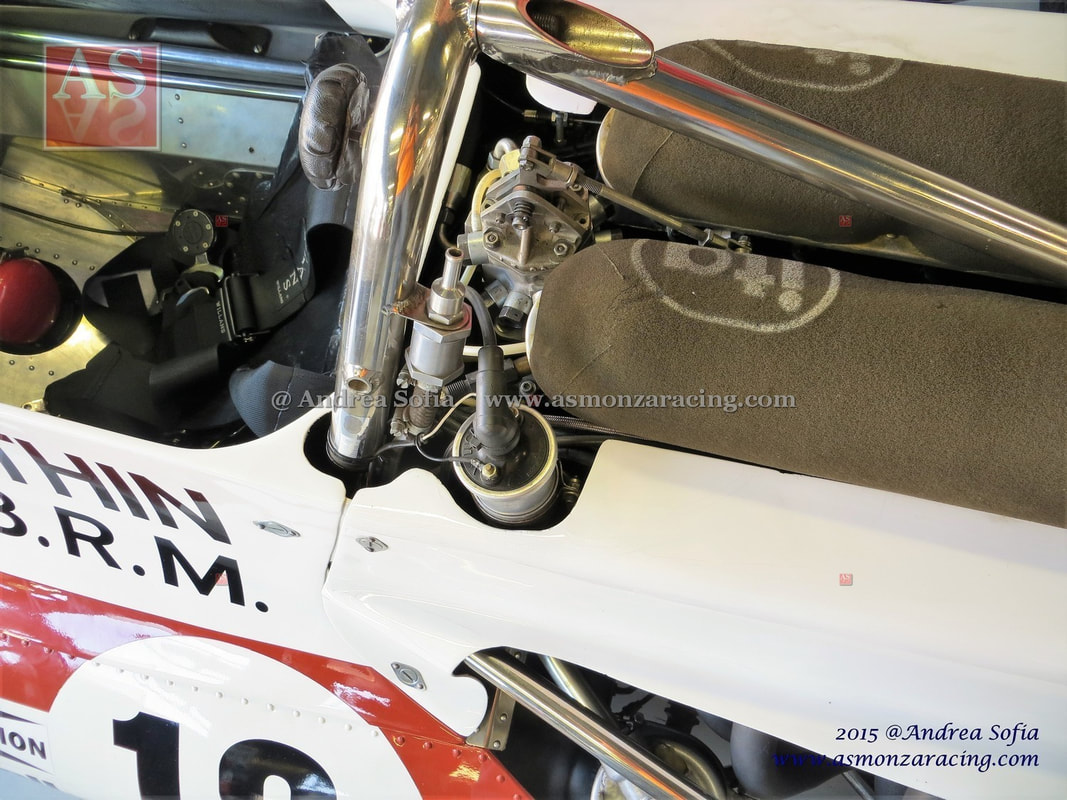
|
To deepen the topic ...
|

|
Per approfondire l'argomento...
|
Le Formula 1 Storiche a Monza 1970-1975
Raccolta fotografica di alcune tra le più belle Formula 1 che hanno corso sulla pista dell’Autodromo Nazionale di Monza
Andrea Sofia
Raccolta fotografica di alcune tra le più belle Formula 1 che hanno corso sulla pista dell’Autodromo Nazionale di Monza
Andrea Sofia
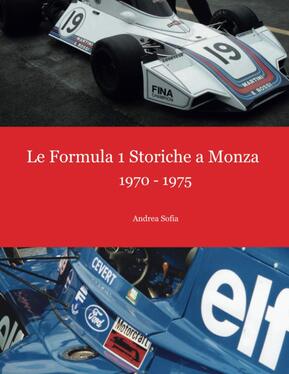

The 1970s were one of the most prolific periods in the history of the technical and aerodynamic evolution of Formula 1. Experimentation and development were intense and carried on with laps of track, when computers and the wind tunnel were just starting to be used. It was a period of brilliant ideas or just imaginative if not sometimes catastrophic intuitions that came from designers of absolute value. With this volume I have tried to describe this period through the images of 22 Formula 1 cars, that it raced between 1970 and 1975. All the images were taken by me in the pits of the Autodromo Nazionale di Monza during various editions of the “Coppa Intereuropa” for historic cars that in its best moments, it was an unmissable event because it gave fans the opportunity to relive the charm of the races of the past and to observe closely and on the track the cars, both Formula and Prototype, Sport or GT, protagonists of the glorious past.
|

Gli anni 70 furono un periodo tra i più prolifici nella storia dell’evoluzione tecnica e aerodinamica della Formula 1. La sperimentazione e lo sviluppo erano intensi e portati avanti a suon di giri di pista, quando computer e galleria del vento cominciavano appena ad essere utilizzati. Era un periodo di idee geniali o solo intuizioni fantasiose se non a volte catastrofiche che scaturivano da progettisti di assoluto valore. Con questo volume ho cercato di raccontare questo periodo attraverso le immagini di 22 Formula 1 che corsero tra il 1970 e il 1975. Tutte le immagini sono state scattate da me ai box dell’Autodromo Nazionale di Monza durante varie edizioni della Coppa Intereuropa per auto storiche che nei suoi migliori momenti, è stata una manifestazione irrinunciabile perché dava agli appassionati la possibilità di rivivere il fascino delle corse di un tempo e di osservare da vicino e in pista le vetture, sia Formula che Prototipo, Sport o GT, protagoniste di un passato glorioso.
|
|
|

|

|